
One especially important component that can make or spoil your Everest Base Camp Trek is the while you pass. The climate and the situations of the path inside the Himalayas differ with the seasons, and what works quality for one trekker won’t work for every other. With blooming rhododendron in spring and snow-covered tranquility in winter, every season offers a brand new element. When you decide on the merits and demerits of one among the other and then calculate, you would discover when you can bring about the changes and decide about planning for the Mount Everest Base Camp Tour.
Spring: The Peak Trekking Season
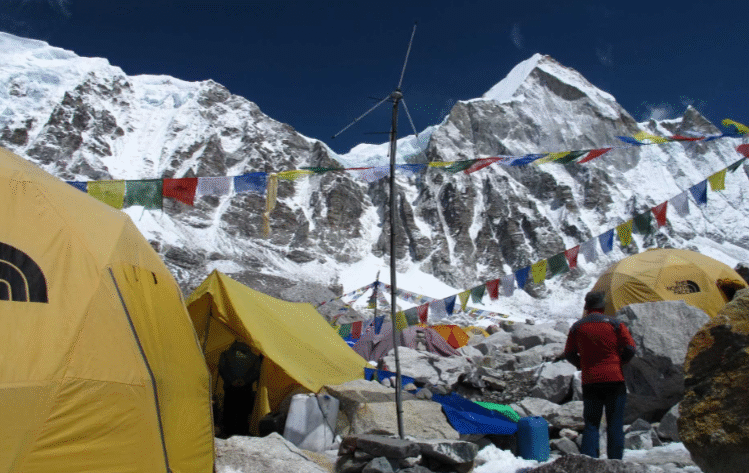
Spring– March to May Spring season is the second most preferred time to do the Everest Base Camp Trek. The season is a time of predictable weather with warm-based temperatures and clear skies to offer the best and most picture-perfect views of Mount Kilimanjaro! In winter, the trails dry out quickly with some snow melt and are quite accessible. The decrease valleys are very stunning in the springtime, the rhododendrons being in complete bloom. Not only is the air clearer and crisper for improved visibility, but the days are longer to revel in extra leisurely hours of trekking. On the flip side, because it is high season, trails will be busy, and teahouses may fill up, so make reservations early. It’s also the season for Mount Everest climbs, so the base camp of Everest will be a bustling tent city of climbers and support.
Autumn: The Second Peak Season
The period from September to November is popular for trekkers wanting to hike to the base camp of Mount Everest, one of the top things to do in Nepal in autumn. The air is also clean and dirt-free, the sky robin’s egg blue after the monsoons. The weather is stable, sunlight hours, temperatures are cold but no longer frigid. The maximum daring reports of the tremendous Himalayan giants are natural right here. The paths are bone-dry and grippy, the monsoon-moist greenery still sparkling. Like in spring, it’s a high-quality time to go trekking, so expect crowded trails and a festive experience. October, the highest visited month, has the best weather and the combination that draws both pros and novice hikers.
Winter – The Season for the Hardened Adventurer
There is a time from December to February when, for those who desire to be alone and want a real wilderness, real winter experience, the winter is extremely satisfying. The trails are mostly empty, and the Himalayas are eerily still. Snowcap roofs and frozen waterfalls are staggeringly beautiful – a winter world unlike any other. The air is just this side of crisp, meaning mountain views are also at their sharpest. But this beauty comes at a price: a bitter chill for you. Night temperatures in the highlands are usually at -25°C or below. Kits for winter usually require a good down jacket and a pair of sub-zero-degree bags. It’s getting colder, and the days are becoming shorter; snow and ice on the trail are possible. This is by no means your average, run-of-the-mill hiking trail and is best suited for those with previous trek experience and who are also well-prepared for the challenging conditions.
Monsoon: The Quieter, Greener Alternative
As the monsoon season takes place between June and August, the EBC trek route is the least favourable. In the course of January, it additionally gets heavy rainfall, especially at lower altitudes, and trails become muddy and slippery, which may be dangerous due to landslides. The weather is regularly cloudy, so all of the mountains, the primary feature of the excursion, are tough to see. But for a certain type of trekker, the monsoon holds special appeal. It is an otherwise green and luscious trek, with colorful plant life and swift waterfalls. It’s great timing for botanists and, really, anybody who wants to have a look at the region’s one-of-a-kind flora. Because of the off-season, the trails are almost empty and the teahouses are far less busy. It’s also a more budget-friendly option — you could potentially save on airfare and accommodations. Those who choose this time of ye,, ar, tho should be warned of rain and regular flight cancellations on the way in and out of Lukla.
How Altitude Impacts Your Choice: What Season Are You?
The height issue is no different from what it would be even if it were summer. All good Everest Base Camp Trek itineraries incorporate plenty of acclimatisation days. These unclimbed days are needed for your body to acclimatize to the reduced levels of oxygen, and they are needed for safety. Though autumn and spring generally have steadier weather, it’s always possible to suffer from altitude sickness. Your guide will keep an eye on your health, but you’ll need to listen to your body and take it easy, even in reason.
Lukla Flights and Weather Delays
That flight to Lukla is the big one. This holds during all periods, but it reaches a maximum in the monsoon. If you have at least a few extra days added to your Everest Base Camp Trek schedule, you will have plenty of flexibility in the event of any delays. This is going to prevent you from pulling your hair out and getting stuck missing your flight home to the other side of the world. The Everest Base Camp Trek Cost of these flights forms a large part of your budget, and it is something you will have to manage.
Final Thoughts on When to Let it Go
There is no “first-rate” time to EBC Trek. The perfect time is whilst it’s proper for you, when you’re bodily prepared, and when you are inclined to tolerate the threat. If you appreciate stable weather, half-decent views, and a little more hubbub, then stick with the spring and the autumn. For those of you with a little more peace in your hearts and who are not scared by a daunting challenge, winter can make you discover an unfathomable Alhambra. And if you’re a naturalist — and can stand the deluge — monsoon season has its own charm.
