
Tenant screening is an essential step for landlords and property owners looking to safeguard their rental investments. By selecting the right tenants, you can avoid unnecessary risks like unpaid rent, property damage, or legal disputes. With the rental property market becoming increasingly competitive, a thorough how to do tenant screening process is a must to protect your financial and property interests.
Why is Tenant Screening Important?
Tenant screening is not just about choosing renters who pay their rent on time; it’s about ensuring your property remains secure, well-maintained, and generates consistent income. Studies suggest that landlords who perform tenant screenings are 60% less likely to face rental payment issues or deal with significant property damage. Protecting your investment starts with making informed decisions about who you allow into your rental property.
Benefits of Tenant Screening
1. Minimized Financial Risks
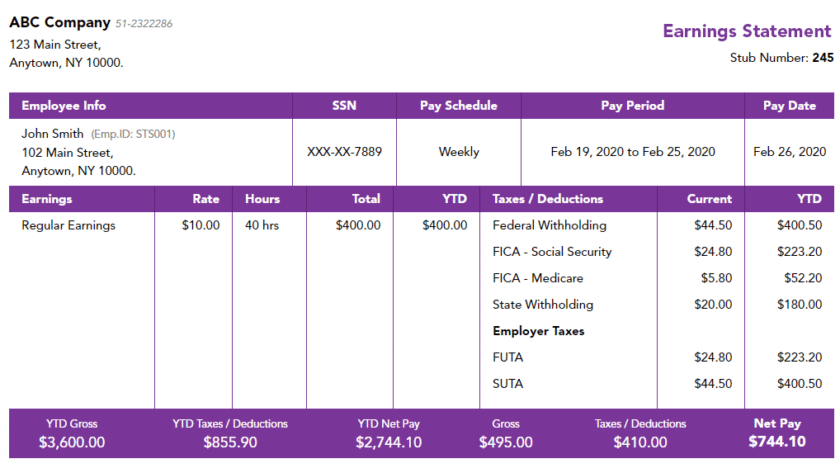
One of the primary benefits of tenant screening is reducing financial risks. By reviewing potential tenants’ financial histories, including their credit scores and income levels, you can determine whether they can keep up with monthly rental obligations. Tenants with stable income and good credit histories are more likely to pay rent on time, ensuring a steady cash flow for your rental investment.
2. Secured Property Value
Allowing tenants into your property without proper vetting could lead to unexpected property damage, costing you thousands in repairs. Tenant screening allows you to identify responsible renters who are more likely to treat your property with care and respect. Additionally, this helps maintain or even enhance your property’s value in the long run.
3. Fewer Legal Complications
Legal disputes with tenants can be a nightmare for landlords. By conducting background checks and ensuring tenants have a clean criminal record, landlords can minimize the chances of renting to someone who might cause legal issues. Tenant screening also helps confirm that applicants do not have a history of evictions or breaching lease agreements, further reducing the possibility of future complications.
4. Improved Repayment Rates
Evictions can be time-consuming and expensive, impacting your rental income and creating more stress as you look for a replacement. Screening tenants for a stable employment history and references from previous landlords reduces the likelihood of dealing with non-payment issues. Statistics show that properties with proper tenant screening experience lower eviction rates compared to those that skip the process.
5. Enhanced Peace of Mind
Knowing you’ve selected the right tenant can provide peace of mind as a property owner. Tenant screening helps ensure you’re renting to someone trustworthy, reducing the anxiety often associated with managing rental properties. With less worry about unreliable renters, you can focus on growing your property portfolio or other aspects of your life.
6. Long-Term Tenancy Stability
When you choose responsible tenants, they are more likely to stay longer in your property, creating stability in rental income and reducing turnover costs. Frequent tenant turnover can add to expenses related to marketing, cleaning, and repairs. Tenant screenings help secure occupants who are more likely to establish a longer-term residence.
Final Thoughts
Tenant screening is an invaluable strategy for protecting and maximizing the value of your rental investment. By carefully evaluating prospective renters, you can minimize risks, enjoy a stress-free property management experience, and enhance the long-term profitability of your rental portfolio. Screening tenants is not an extra step; it’s a necessary tool for ensuring the longevity of your investment and financial well-being.


